Stone Streets and Warm Souls: How to Make Real Connections in Mardin, Turkey
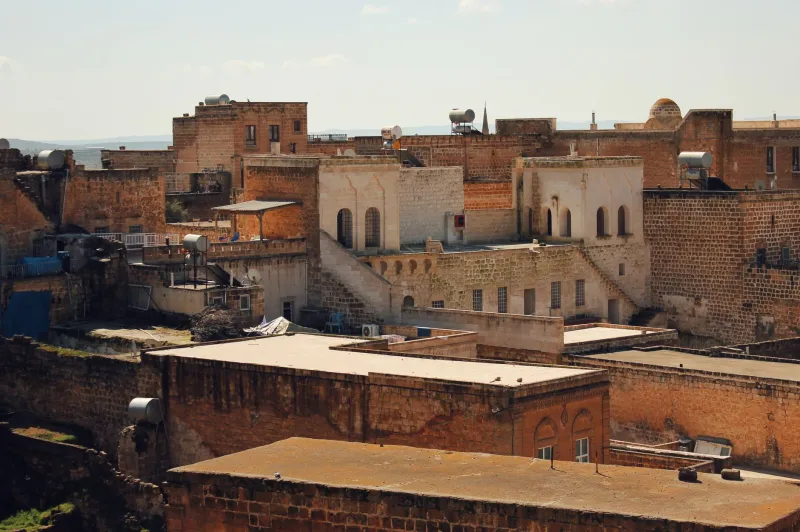
Let's be honest — most American travelers who land in Turkey head straight for Istanbul, snap a few photos at the Hagia Sophia, eat some kebabs, and call it a trip. Nothing wrong with that. But if you're the kind of person who craves something deeper, something that feels real, then Mardin is the city that's been quietly waiting for you.
Perched dramatically on a rocky hillside overlooking the Mesopotamian plains in southeastern Turkey, Mardin is one of those rare places where history isn't just in the museums — it's literally built into the walls you walk past every single day. And more importantly, it's woven into the people.
At Mardin Companions, we believe travel is fundamentally about human connection. The city. The culture. The conversation you didn't expect to have. This guide is for the traveler who wants all of that — and knows how to pursue it with respect and genuine curiosity.
Why Mardin Hits Different
Mardin sits at a crossroads that has been culturally and commercially significant for thousands of years. Aramaic, Arabic, Kurdish, and Turkish are all spoken here — sometimes in the same sentence. You'll find Syriac Christian churches standing a few blocks from Ottoman mosques, and both communities will likely invite you in for tea before you've even asked a question.
For American visitors used to cultural homogeneity, this kind of layered identity can feel almost overwhelming at first. Lean into that feeling. It means you're paying attention.
The city's architecture tells the same story. The famous honey-colored limestone buildings — many of them centuries old — are carved with intricate geometric patterns and stacked up the hillside like a living museum. Walking through the old city (the eski şehir) is less like sightseeing and more like time travel. And around every corner, there's a shopkeeper, a student, a grandmother, or a local guide who's genuinely curious about where you came from and why you ended up here.
The Social Scene: Where Locals Actually Hang Out
If your goal is authentic connection — not just a transaction with a tour operator — you need to know where Mardin's social life actually happens.
The Bazaar (Çarşı): This isn't a tourist trap. The covered bazaar in central Mardin is a working marketplace where locals shop for spices, copper goods, handwoven textiles, and the famous Mardin soaps infused with local herbs. Slow down here. Don't rush. If a vendor offers you tea, say yes. That's not a sales tactic — that's just how people here communicate.
Rooftop Cafés and Restaurants: Mardin's topography means that almost every rooftop has a panoramic view of the plains stretching toward Syria. Locals love gathering at these elevated spots, especially in the evenings. Zinciriye Restaurant and Cercis Murat Konağı are favorites, but don't ignore the smaller, family-run spots tucked into side streets. Those are where the real conversations happen.
The Deyrulzafaran Monastery: About five kilometers outside the city, this ancient Syriac Orthodox monastery is one of the oldest continuously inhabited religious sites in the world. Guided tours are available and the monks are genuinely welcoming. It's also a place where you'll often meet local families who come for Sunday visits — a perfect, low-pressure setting for organic introductions.
Evening Walks Along the Main Street (1 Cadde): As temperatures cool in the evening, Mardin comes alive. Families stroll, friends meet up at outdoor tables, and the whole city seems to exhale. This is prime time for spontaneous connection. A smile and a simple merhaba (hello) goes a long way.
Navigating Cultural Nuance Like a Pro
Here's the thing about Mardin that American travelers sometimes miss: warmth and hospitality here aren't performance. They're expectation — a cultural standard that runs deep. But that also means there are unspoken rules.
Reciprocate generosity. If someone buys you tea, don't immediately try to Venmo them or feel weird about it. Accept graciously and find a natural way to give back — whether that's buying something from their shop, offering to share a meal, or simply giving your full, undivided attention to the conversation.
Dress with awareness. Mardin is more conservative than Istanbul. Women traveling solo especially should carry a light scarf and dress modestly in and around religious sites. This isn't about restriction — it's about showing you've done your homework and you respect where you are.
Learn a few words. Even if your Turkish is limited to teşekkür ederim (thank you) and çok güzel (very beautiful), using local language signals effort and earns you immediate goodwill. In Mardin, where Arabic and Kurdish are also spoken, even attempting a word or two in any of the local languages will get you a smile that you'll remember for years.
Ask questions, not for photos. The instinct to photograph everything is understandable, but in Mardin, leading with curiosity rather than a camera lens opens more doors. Ask about a craftsman's work before photographing it. Ask about a dish before ordering it. People here love to share their knowledge — give them the chance.
Finding Your Person in Mardin
For many travelers, the most meaningful part of visiting a place like Mardin isn't the architecture or the food — it's finding that one person who becomes the unexpected highlight of the trip. A local guide who takes you off the beaten path. A fellow traveler at a rooftop café who becomes a genuine friend. A companion who knows the city's hidden corners and is happy to share them.
Mardin Companions exists precisely because we understand that impulse. The desire for real human connection while traveling isn't frivolous — it's fundamental. It's why people leave home in the first place.
Our community includes locals who love showing visitors the Mardin they know, as well as experienced travelers who've already made the city their second home and are happy to guide newcomers. Whether you're looking for a knowledgeable companion to explore the bazaar with, someone to share a long rooftop dinner with as the sun sets over Mesopotamia, or simply a warm, interesting person to spend time with in one of Turkey's most captivating cities — this is the place to start.
Before You Go: Practical Notes
Mardin is best visited in spring (April–May) or fall (September–October) when temperatures are comfortable and the landscape is at its most dramatic. Summer heat on the plains can be brutal, and winter, while atmospheric, limits some outdoor experiences.
Flights from the US typically connect through Istanbul (IST) or Ankara (ESB), with onward connections to Mardin Airport (MQM). The flight from Istanbul to Mardin is about two hours.
Most people in the tourism and hospitality sector speak at least basic English, but having a translation app handy never hurts. Turkish lira is the local currency, and cash is still king in the bazaar and smaller establishments.
And finally — come with time. Mardin is not a city you rush through. It's a city that unfolds slowly, the way the best conversations do. Give it the time it deserves, and it will give you something you didn't even know you were looking for.
Ready to explore? Connect with local companions and community members through Mardin Companions — your starting point for authentic experiences in Turkey's most enchanting city.