More Than Words: Building Real Connections in Mardin When You Don't Speak the Language
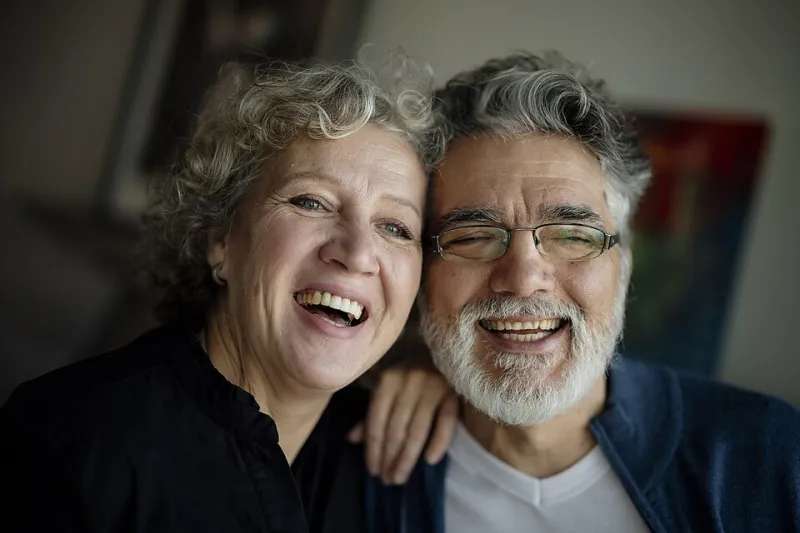
Photo: Shixart1985, CC BY 2.0, via Wikimedia Commons
Let's be honest about something most travel guides won't say directly: language fluency is overrated as a prerequisite for human connection. Some of the most meaningful exchanges happen between people who share almost no vocabulary. And some of the most hollow interactions happen between people who speak the same language perfectly but have nothing real to say to each other.
That said, arriving in Mardin without any Turkish and expecting everything to go smoothly is optimistic in a way that's going to cost you. Not because locals aren't accommodating — they generally are — but because the style of communication here relies heavily on context, subtext, and non-verbal cues that American visitors aren't trained to read. This guide is about closing that gap.
The Baseline: What Turkish Communication Actually Looks Like
Turkish, like many languages in this region, carries a lot of social information in tone and formality rather than in explicit words. The same phrase can mean something warm or something politely dismissive depending on delivery, eye contact, and setting. Companions in Mardin — many of whom speak some English, some Arabic, and occasionally Kurdish in addition to Turkish — are generally skilled code-switchers. But they default to their own communicative comfort zone, which is more indirect than most Americans expect.
Directness in the American sense — stating what you want clearly and early — can read as abrupt or even rude in Mardin's social context. This isn't a universal Turkish trait, but it's particularly pronounced in a city with Mardin's layered cultural history. The expectation is that you'll arrive at the point together, through conversation, rather than leading with it.
Knowing this before your first interaction removes a lot of unnecessary friction.
Practical Tools That Actually Help
Translation apps have gotten genuinely good, and using one isn't a sign of disrespect — it's a sign of effort. Google Translate's conversation mode, which allows two people to speak into the same phone and see real-time translations, works reasonably well for basic logistics. DeepL tends to handle Turkish more naturally for nuanced sentences. Download offline packs before you arrive; connectivity in parts of Mardin's old city can be spotty.
Beyond apps, a few Turkish phrases go a long way — not because they enable full conversations, but because they signal respect. Merhaba (hello), teşekkür ederim (thank you), and lütfen (please) are the minimum. Learning to say anlayamıyorum (I don't understand) is genuinely useful and almost always received with warmth rather than frustration. Companions who work with international visitors have heard every variation of broken Turkish, and they appreciate the attempt.
If you're coordinating through Mardin Companions' directory, many profiles include preferred contact methods and language notes. Pay attention to those details — they're there for a reason.
Reading the Room Without Words
A significant portion of what gets communicated in Mardin's companion culture happens through gesture, posture, and timing rather than language. Eye contact held a beat longer than usual is an invitation. A slight lean-in during conversation signals engagement. Being offered tea or coffee a second time, in this context, often means the other person is comfortable and wants to extend the interaction.
Conversely, a companion who becomes quieter, more formal, or who redirects conversation toward logistics is usually signaling discomfort — not necessarily with you specifically, but with the direction things are heading. American men in particular tend to read this as a negotiating tactic rather than a genuine social signal, which is a mistake. Pressing past those cues damages trust in ways that are hard to recover from.
The most useful skill you can develop before your trip isn't vocabulary. It's the habit of pausing and observing before responding.
Establishing Expectations Without a Shared Language
This is where a lot of visitors run into trouble, and it's worth addressing directly. Communicating what you're looking for, what your boundaries are, and what you're expecting from a companion interaction — without shared fluency — requires a combination of patience, clarity, and the willingness to use whatever tools are available.
Written communication (via the app or messaging platform you're using to connect) gives both parties time to translate and consider responses carefully. Starting important conversations in text rather than in person, when language is a barrier, reduces the chance of misunderstanding. Be specific but not clinical. Warmth in writing translates even through a machine translation layer.
If you're meeting someone in person, slowing down your speech — not raising your volume, which is a reflex a lot of Americans have — makes a real difference. Short sentences, clear pauses, and checking in (a simple thumbs-up gesture or a questioning look) keeps both parties calibrated.
What You Gain by Letting Go of Language as a Crutch
Here's the thing that surprises most American visitors: once you stop relying on verbal fluency as your primary tool, you often end up more present in the interaction than you would be otherwise. You're watching, listening to tone, picking up on energy. You're not filling silence with noise. You're actually there.
Companions in Mardin often describe American visitors who navigate the language gap gracefully as more enjoyable to spend time with than those who barrel through with confidence and volume. The effort to communicate — imperfect, patient, creative — is itself a form of respect. And in a city that has been reading strangers for thousands of years, respect is the currency that opens every door.