Silk Road Souls: How Mardin's Ancient Trade Legacy Shapes the Way Companions Connect Today
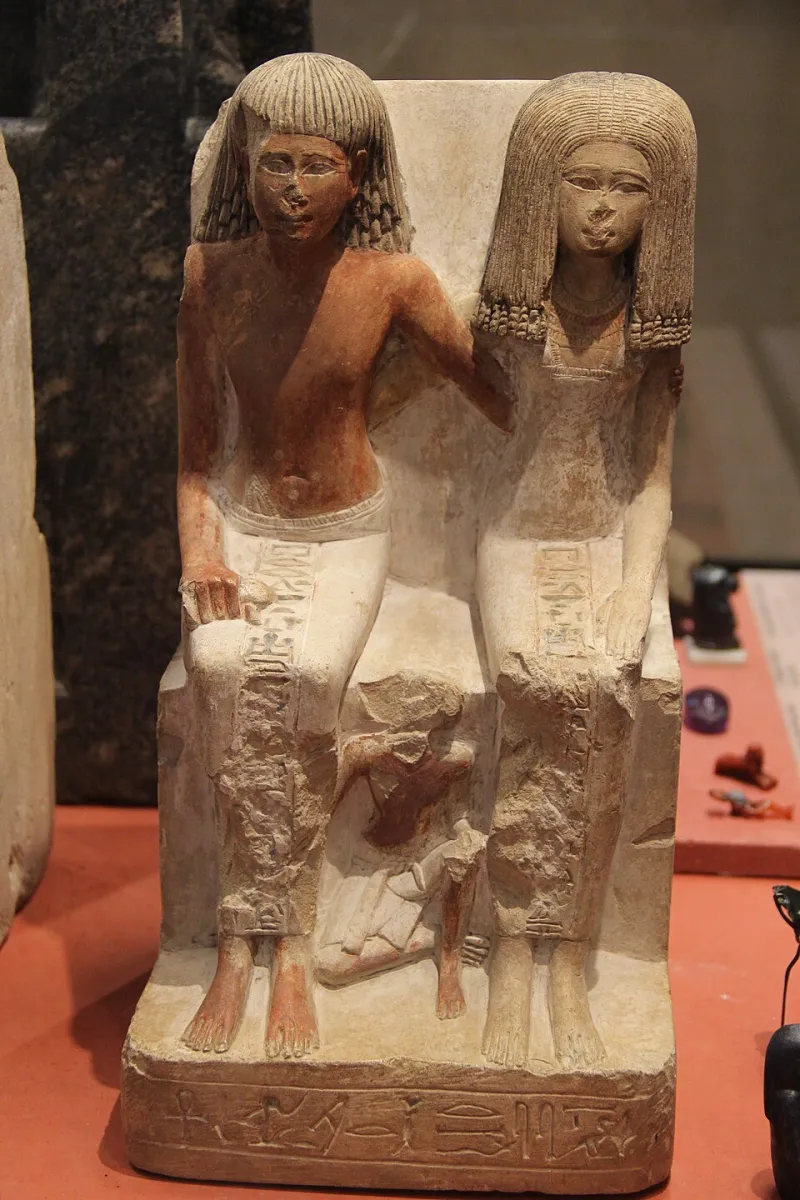
Photo: Gary Todd, CC0, via Wikimedia Commons
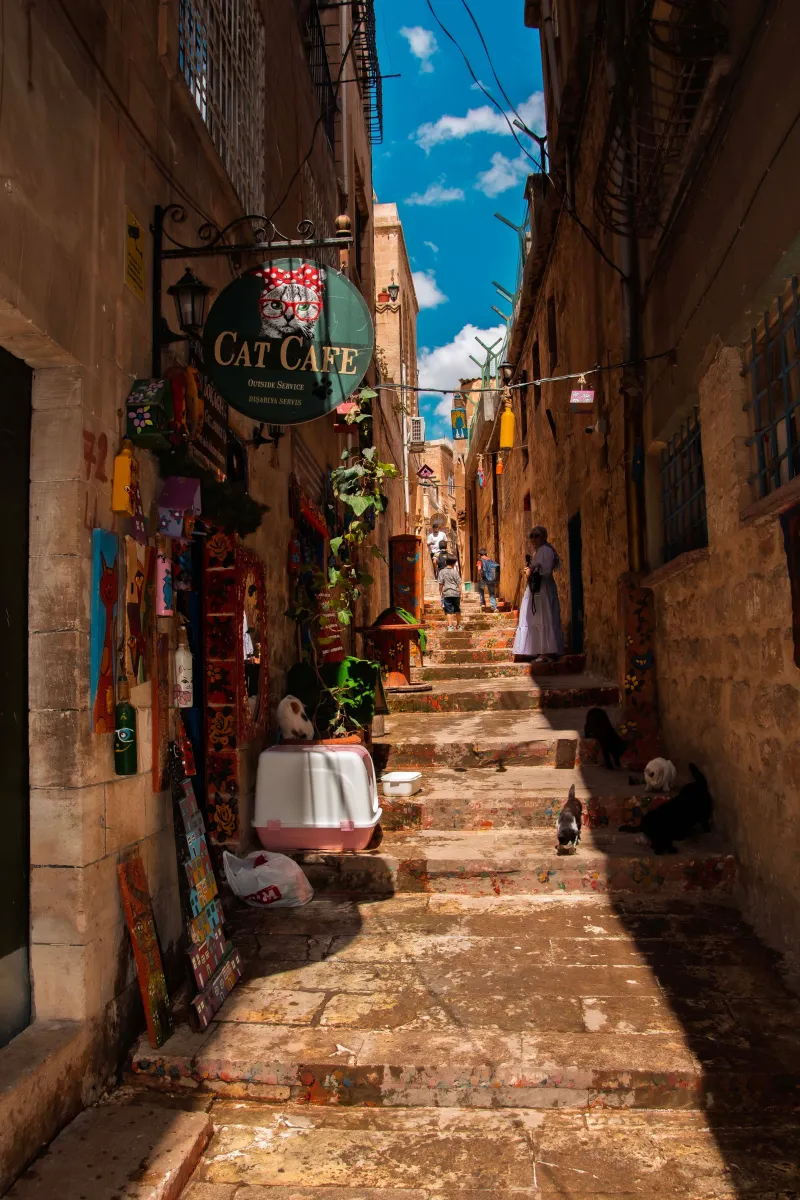
Stand on any rooftop in Mardin's old city and look south. The Mesopotamian plain stretches out like a rumpled brown blanket all the way to Syria. For most of recorded history, the people who built these honey-colored limestone houses were watching that same horizon — waiting for caravans, sizing up strangers, deciding in seconds whether someone was worth trusting. That instinct didn't disappear when the camel trains stopped running. It just adapted.
If you've landed in Mardin expecting the companion scene to work like a menu-driven service — point, select, proceed — you're going to be confused pretty quickly. The city doesn't operate that way, and understanding why requires a short detour through about three thousand years of commercial and cultural history.
Crossroads Don't Belong to Anyone
Mardin's geographic position made it one of the most important transit hubs between Anatolia, Persia, and the Arab world. Assyrian Christians, Kurds, Arabs, Armenians, and Turks didn't just pass through — they stayed, traded, intermarried, and built institutions side by side. The great bazaars here weren't just places to buy spices and textiles. They were stages for relationship management. A merchant's reputation traveled faster than he did, and it arrived before he did.
That legacy created a social culture where how you engage matters as much as what you're asking for. Discretion wasn't a nice-to-have quality in the old bazaar economy — it was a survival skill. Merchants who could hold information, read a room, and signal trustworthiness without spelling it out literally built dynasties. Those who couldn't, didn't last a season.
The companion culture in modern Mardin carries this DNA. Companions here — whether you're meeting someone through the directory at Mardin Companions or through a local introduction — tend to assess your character before they assess your offer. It's not gatekeeping for its own sake. It's pattern recognition honed over centuries.
The Merchant's Welcome: Hospitality as Strategic Warmth
American visitors sometimes mistake Mardin's famous hospitality for eagerness. It isn't. The tea that appears almost immediately when you sit down with someone isn't a sign that the conversation is going well — it's the opening of the conversation. In the old trade tradition, offering refreshment was a signal that both parties had agreed to enter a space of mutual respect before any business was discussed.
This is genuinely different from the transactional warmth Americans are used to — the kind that's calibrated to close a deal. In Mardin, warmth is the prerequisite for any deal, not the lubricant. Companions who operate within this cultural framework aren't being coy when they want to talk, share a meal, or simply sit for a while before getting into specifics. They're following a script that's older than the Ottoman Empire, and it works.
If you push past the welcome phase too quickly, you don't come across as efficient. You come across as untrustworthy. That's a distinction worth internalizing before your first conversation.
Discretion as Cultural Architecture
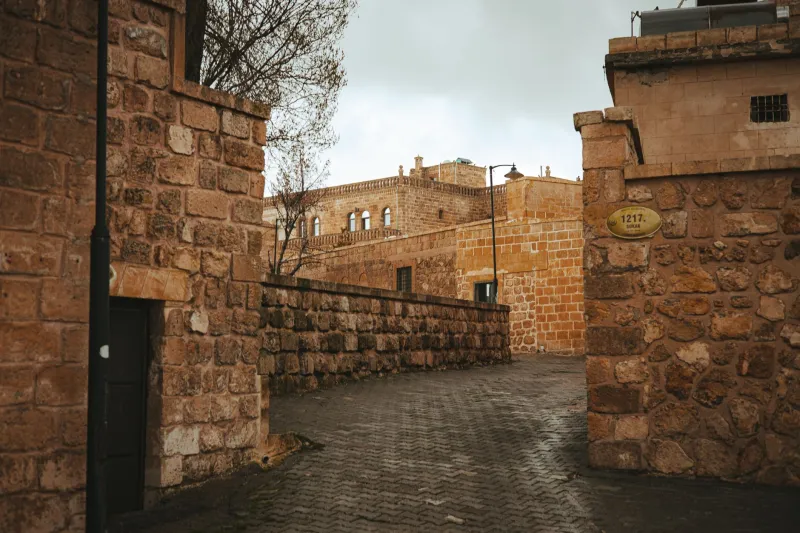
The layered architecture of Mardin's old city — buildings that reveal almost nothing from the street but open into elaborate courtyards inside — is a decent metaphor for how social relationships here are structured. Privacy isn't shame. It's design.
For centuries, merchants in this region operated across political borders that shifted constantly. Empires rose and fell. Tax collectors changed allegiances. The ability to conduct business without broadcasting it was a practical necessity, not a moral failing. That same architectural discretion shows up in how companions here manage their professional lives. They're not secretive because they're hiding something problematic — they're discreet because discretion is, in this cultural context, a form of sophistication.
American visitors who come from a culture that prizes radical transparency and public self-disclosure sometimes read this discretion as evasiveness. It's worth reframing that instinct. When a companion in Mardin keeps certain things close, she's signaling competence, not suspicion.
What the Trade Routes Teach About Patience
One of the most consistent things you'll hear from Americans who've spent real time in Mardin is some version of: I didn't realize how impatient I was until I got here. The old caravan economy ran on long timelines. A merchant who left Mardin for Baghdad wasn't back in a week. Relationships were built across years of repeated contact, small gestures, and accumulated trust.
That rhythm persists. The companion scene here doesn't reward urgency. The best connections — the ones American visitors tend to remember long after they've left — almost always started slowly, built through conversation and shared meals, and arrived at something genuine rather than something immediate.
The trade routes that once connected Mardin to the wider world brought in not just goods but ideas, languages, and ways of being with other people. What they left behind is a city that knows, in its bones, that the most valuable exchanges are never the fastest ones.
If you're visiting Mardin and you want to connect with companions who reflect this culture at its best, slow down before you arrive. The city will meet you where you are — but it will reward you most generously if you show up ready to take your time.