Money Talk: The Real Cost of a Week in Mardin (And the Three Traps That Drain Your Wallet)
The number one question we get in our community forum isn't about where to go or who to meet. It's about money — specifically, how much of it to bring and where it all goes. So let's do the unglamorous math.
The Baseline: What a Week Actually Costs
Here's a realistic mid-range budget for seven days in Mardin, in US dollars:
- Boutique hotel or guesthouse: $40–80/night. Stone-carved rooms in the old city run cheaper than you'd think.
- Meals: $10–25/day if you eat like a local (and you should — the lahmacun alone justifies the trip). A lavish dinner for two with drinks might hit $40–60 total.
- Taxis and dolmuş (shared minibuses): $3–6/day. The old city is walkable; cabs are for laziness and hills, not necessity.
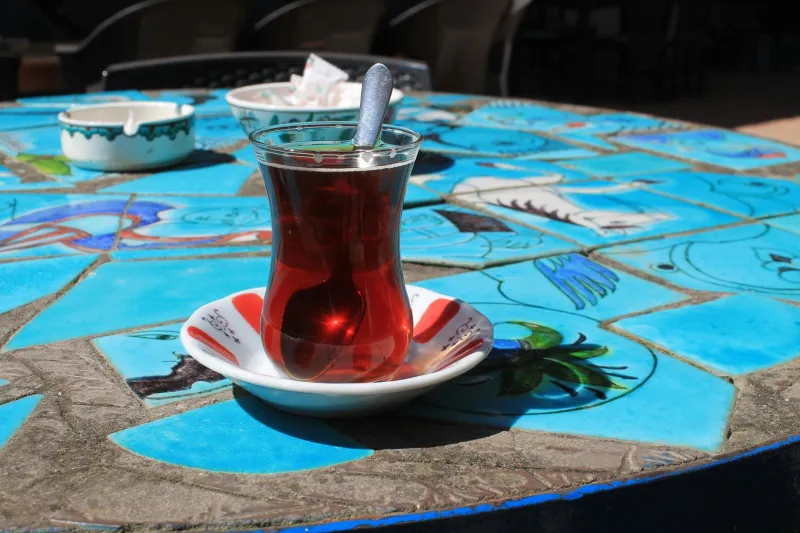
- Tea, coffee, small social outings: $5–10/day. And there will be a lot of tea.
- Gifts and gestures: Highly variable — more on that below.
Add it up and you're looking at roughly $500–800 for a week before gifts and entertainment. Compare that to a single night out in Miami. Yeah.
Trap #1: The Overcompensation Spend
American visitors often overpay not because they're scammed, but because they're nervous. First dinner with someone whose company you enjoy? The instinct is to grab the bill dramatically, insist loudly, and round everything up. In Mardin, generosity is real and expected — but it's calibrated. Picking up a modest dinner bill: respectful. Turning it into a theatrical production with an outsized tip: naive. A calm, genuine "this one's mine" lands better than a wallet-waving performance.
Trap #2: The Airport Exchange Rate Rip-Off
Classic first-timer move: exchanging dollars at the airport kiosk or hotel desk at terrible rates. Use a fee-free card for most purchases and pull lira from bank ATMs in the city center. You'll save 5–10% on every single dollar, which across a week is real money.
Trap #3: Confusing Price with Value
Some visitors hear "cheap destination" and assume every expense should be minimized, then feel awkward when a companion suggests a nicer restaurant or a day trip to Midyat. Others swing the other way and overspend to signal status. The sweet spot: spend where it builds shared experience — a sunset dinner on a terrace, a driver for a day trip to Dara — and skip spending that's purely performative.
The Generosity Rule of Thumb
In Turkish culture, generosity signals respect when it's sincere and unforced. Small, thoughtful gestures — a quality gift from home, covering a coffee, remembering something they mentioned earlier — carry more weight than flashing cash. Veterans of the scene will tell you the most attractive thing you can do financially is be relaxed about money, not reckless with it.
Budget smart, spend with intention, and your $800 in Mardin will buy you what $8,000 struggles to in an American party city: a week that actually feels like something.