The Insider's Map: 7 Mardin Neighborhoods Where Real Life (and Real Connections) Actually Unfold
The Insider's Map: 7 Mardin Neighborhoods Where Real Life (and Real Connections) Actually Unfold
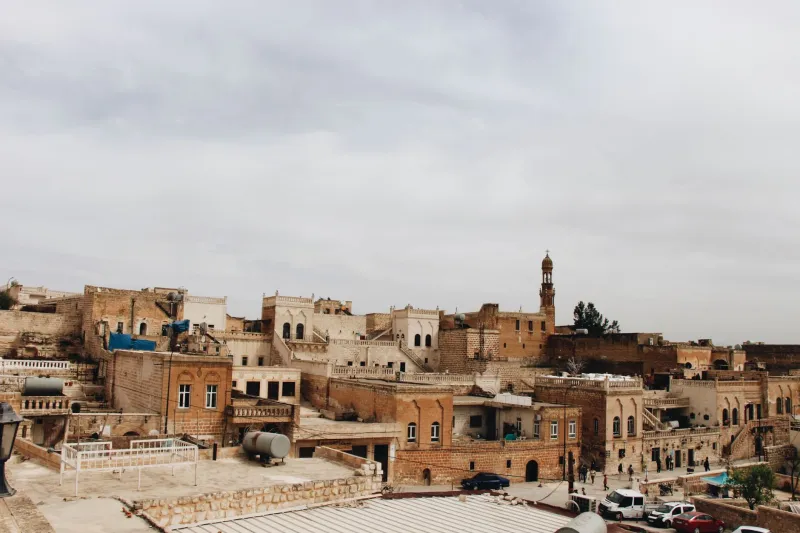
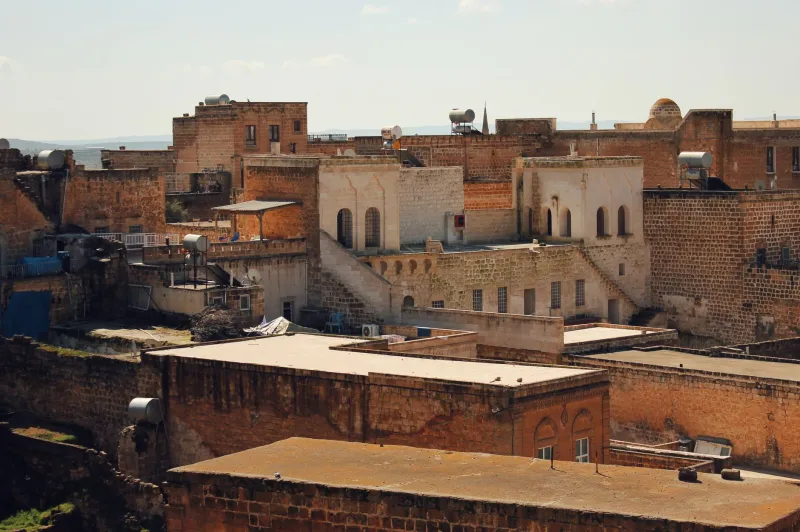
Mardin is one of those cities that tricks you. You land, you see the honey-colored limestone stacked up on the hillside, and you assume the whole experience is going to play out along that one famous panoramic strip. Then you wander half a block off the main drag and realize — oh. This is the city.
For American visitors hoping to do more than collect Instagram shots, understanding Mardin's distinct neighborhoods is the difference between a surface-level trip and something that actually sticks with you. Each district has its own rhythm, its own crowd, and its own unspoken vibe. Here's what you need to know before you go.
1. Old City (Eski Mardin) — The Heartbeat You Can't Avoid
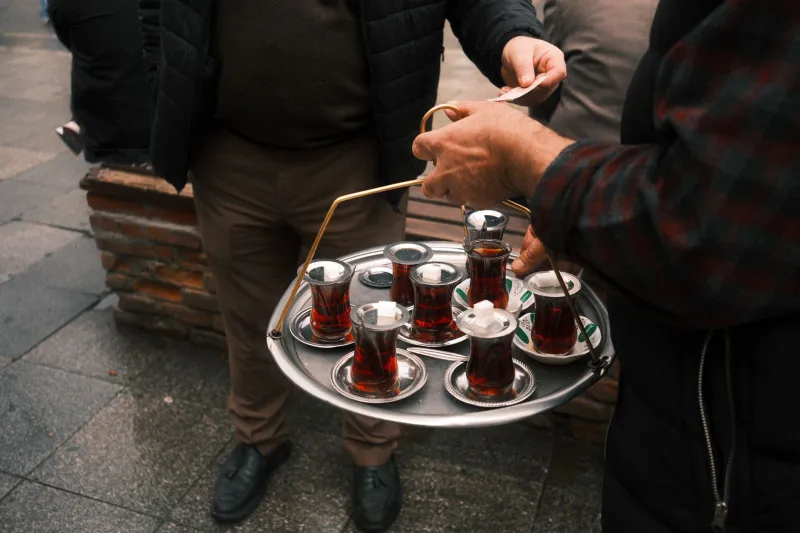
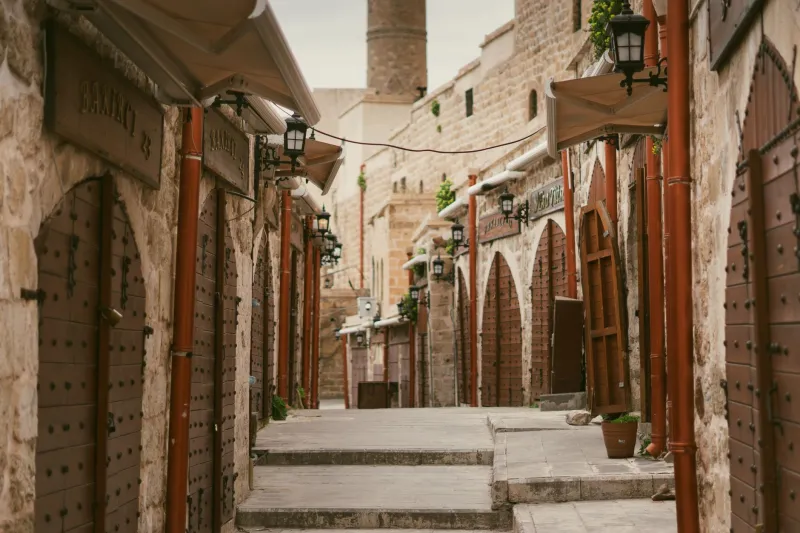
Let's get this one out of the way first. Yes, the Old City is where tourists go. But it's also where everyone goes — because it's genuinely central to daily life here. The trick is timing. Hit the main pedestrian lane between 10am and 2pm and you're swimming upstream against tour groups. Show up after 7pm and the whole place transforms. Locals reclaim the tea houses, the narrow side alleys fill with conversation, and the stone archways start to feel less like a museum and more like a living room.
Dress modestly here — this isn't a beach town. Linen pants, covered shoulders, and comfortable walking shoes will help you blend in and signal respect. A solid conversation opener with locals? Ask about the architecture. Everyone here has an opinion on the Syrian Orthodox churches, and most people are genuinely proud to share it.
2. Savurkapı — Where the Regulars Go
Just east of the historic core, Savurkapı is a residential neighborhood that most visitors blow past entirely. That's a mistake. This is where you find the kind of tea garden that doesn't have an English menu — and that's exactly the point. The social pace here is slower, more deliberate. People sit for hours. Conversations stretch.
If you're someone who connects better in low-pressure environments, Savurkapı is your spot. Come in the late afternoon, find a garden with plastic chairs and a view, and just... let it happen. Locals here tend to be curious about Americans without being performatively welcoming — which actually makes for more honest interaction. Bring a phrase or two of Turkish. Even a rough "çok güzel" (very beautiful) goes a long way.
3. Artuklu District — The Academic Energy
Home to Artuklu University, this part of Mardin skews younger and more cosmopolitan. You'll find coffee shops with decent Wi-Fi, students who speak solid English, and a social atmosphere that's noticeably more open than the older residential quarters. If your personal style leans toward intellectual conversation, creative types, or just people who are curious about the world beyond Turkey's borders, this is where you'll find your people.
Timing-wise, evenings from Thursday through Saturday are the most social. Dress is more relaxed here — you don't need to overthink it. And conversation starters? Ask what people are studying, or what they think about life in Mardin versus Istanbul. You'll rarely get a short answer.
4. Nusaybin Road Corridor — Commerce and Community
This arterial stretch connecting Mardin's urban zones is easy to dismiss as purely functional — and yeah, it's not glamorous. But it's real. Markets, mechanics, family-run restaurants, small mosques with open courtyards. If you want to understand how Mardin actually operates day-to-day, spend a morning walking this corridor.
The social interactions here are transactional in the best sense — people are going about their lives and are generally friendly without any performance of it. The best move is to eat lunch at a lokanta (a no-frills Turkish diner) along this stretch. Sit at a shared table if the place is busy. That's not weird here — it's just how it works.
5. Dara (Ancient Anastasioupolis) — For the Historically Curious
About 30 kilometers southeast of central Mardin, Dara isn't technically a neighborhood — it's a village built on top of one of the most significant Roman ruins in the region. But it deserves a spot on this list because the social dynamic there is unlike anything in the city proper.
Visitors who make the trip out here are almost always met with genuine hospitality. The local population is small, tight-knit, and accustomed to curious outsiders in a way that creates real openness rather than guarded tourism-mode behavior. Go on a weekday. Bring snacks to share. Ask someone to show you the underground cisterns — most locals know exactly where they are and love showing them off.
6. Midyat — The Silver City's Social Scene
Another short drive from central Mardin, Midyat is famous for its silver filigree craftsmanship and its significant Syriac Christian community. The social atmosphere here is distinct from anything you'll find in Mardin proper — more village-square energy, with a strong sense of cultural pride and a community that's navigated centuries of coexistence between different faiths and ethnicities.
For American visitors, Midyat offers a fascinating window into a version of Middle Eastern culture that doesn't fit any of the usual templates. The best way to connect here is through craft — visiting workshops, asking artisans about their process, buying something directly from the maker. Commerce as connection. It works.
Evening gatherings around the main square tend to be family-oriented but welcoming to respectful strangers. Keep your energy low-key and your curiosity genuine.
7. Bağlarbaşı Quarter — The Locals-Only Living Room
Bağlarbaşı sits on the quieter western slope of Mardin's hillside and functions almost entirely as a residential enclave. You won't find restaurants catering to tourists here. What you will find is the city living its actual life — kids playing in the alleys, older men gathered on stoops, the smell of dinner coming out of a dozen open windows at once.
This is the neighborhood for visitors who are serious about authentic experience over convenience. Don't come here with an agenda. Come here to walk slowly, to be present, and to let the city show you something it doesn't show everyone. The social code here is simple: be quiet, be respectful, and smile first.
A Few Things Worth Remembering
No matter which part of Mardin you're exploring, a few universal rules apply. Dress conservatively outside of the university district — it's not about judgment, it's about fitting in enough that people actually talk to you. Learn five words of Turkish minimum. Show genuine curiosity rather than performed enthusiasm. And slow down. Mardin operates on a pace that rewards patience.
The city doesn't give itself up all at once. But when it does? It's the kind of thing you end up talking about for years.