Reading the Calendar: How Mardin's Seasons Shape the Companion Scene and When to Plan Your Visit
Reading the Calendar: How Mardin's Seasons Shape the Companion Scene and When to Plan Your Visit
Most American travelers book a trip to Mardin the same way they'd plan any international getaway — they check the weather forecast, maybe scan a few TripAdvisor reviews, and pick whatever week fits their PTO schedule. What they almost never consider is when the city is actually alive in the way they're hoping to find.
Because here's the thing about Mardin: this is a city with a pulse that shifts dramatically depending on the time of year. The companion culture — the social energy, the ease of meeting people, the vibe of the tea houses and rooftop terraces and old stone courtyards — doesn't run on a flat, consistent frequency. It ebbs and flows with the seasons, with local holidays, with agricultural rhythms that go back centuries. If you land at the wrong time without knowing what you're walking into, you might spend a week wondering why the city feels slightly closed off. Land at the right time, and Mardin opens up in ways that feel almost unfair.
Here's how to read the calendar like someone who actually knows this place.
Winter: The City Belongs to Locals (And That's a Feature, Not a Bug)
December through February is when most American visitors cross Mardin off their list. It's cold — genuinely cold, with temperatures that can dip below freezing — and the tourist infrastructure slims down considerably. A lot of the rooftop restaurants that are packed in summer run reduced hours or close entirely.
But here's what those same visitors are missing: winter is when Mardin belongs entirely to its own people.
The social spaces that remain open — the traditional coffeehouse setups, the heated interior dining rooms of the old limestone mansions, the quieter bars in the newer parts of the city — are almost exclusively populated by locals. For someone genuinely interested in authentic connection rather than a tourist-bubble experience, this is actually the prime window. The companion culture that exists here year-round doesn't disappear in winter; it just gets more concentrated and more real.
You'll also find that the people you meet in winter are more curious about you. A solo American visitor showing up in January is a novelty in a good way — you're not one of five hundred tourists that week, you're someone interesting who clearly came with intention. That dynamic shifts the entire energy of an introduction.
The practical trade-off is real: fewer options, less variety, and you'll need to do more legwork to find where the energy actually is on any given night. But for the right traveler, that's part of the appeal.
Spring: The Sweet Spot Most People Sleep On
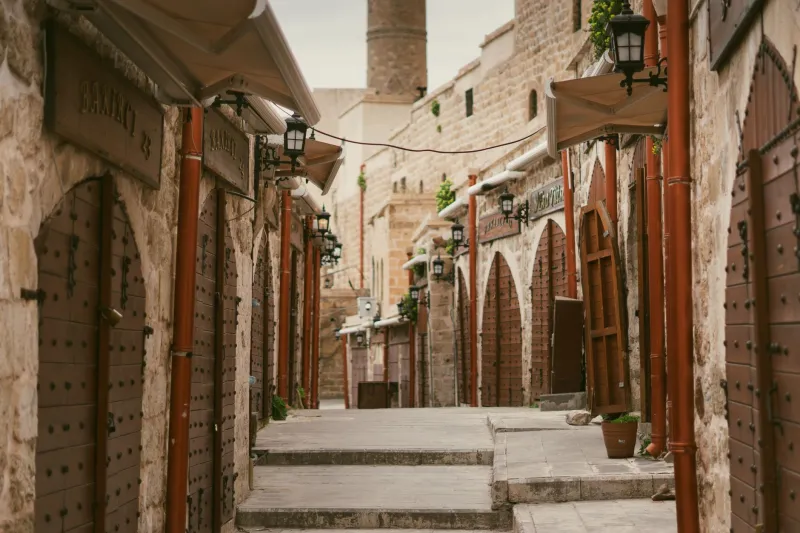
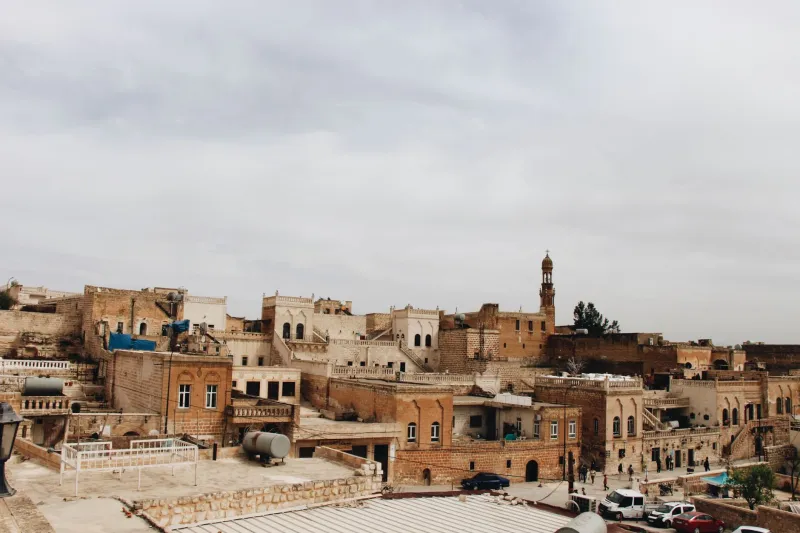
March through May might be the most underrated window in Mardin's entire calendar. The weather starts turning genuinely beautiful — the surrounding plateau greens up, the light goes golden in a way that makes the honey-colored limestone of the old city look almost unreal — and the tourist wave hasn't hit yet.
This is when you get the best of both worlds. Locals are still the dominant social presence, but the city is starting to loosen up after winter. Businesses are reopening or extending their hours. There's an anticipatory energy in the air — people are getting ready for the busy season and that readiness translates into a kind of openness and sociability that feels genuinely warm.
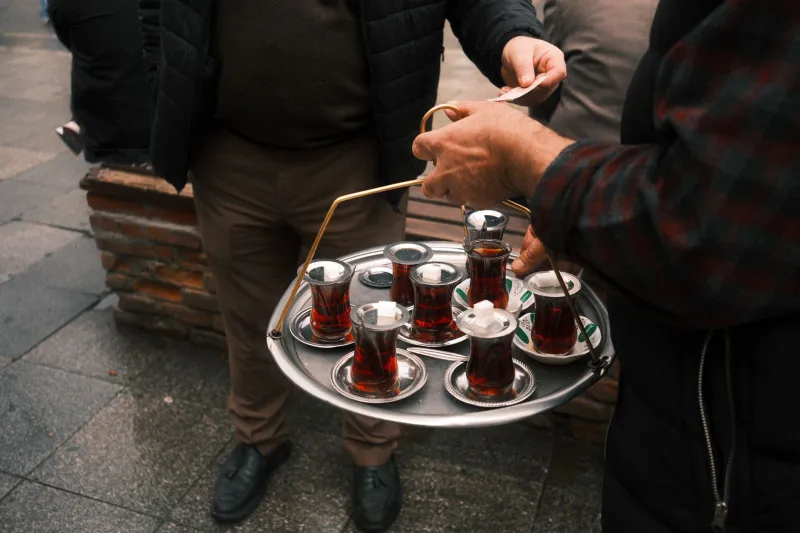
Spring also overlaps with Ramadan in some years (the Islamic calendar shifts, so check the dates for your specific travel year). Ramadan in Mardin is a fascinating time for a visitor who approaches it with cultural curiosity rather than frustration. The social rhythms flip — daytime is quieter, but after iftar, the evening meal that breaks the fast, the city comes alive in a way that has no parallel in any other season. The communal energy at that hour is extraordinary, and for a visitor who's paying attention, it creates natural, organic opportunities for connection that don't exist at any other time of year.
Summer: High Energy, High Volume, Navigate Accordingly
June through August is when Mardin hits its peak tourist intensity. International visitors, domestic Turkish tourists from the western cities, diaspora families returning for the summer — the population of the old city swells considerably, and the social scene reflects that.
The upside is obvious: more people means more activity, more events, more variety in the companion landscape. The rooftop terraces are packed, the bars are running late, and the general mood is festive and outward-facing. If you're someone who draws energy from a crowd, summer Mardin delivers.
The downside is that the authenticity of connection can get diluted. When everyone in the room is also a visitor, the local flavor that makes Mardin's companion culture distinctive starts to thin out. You can have a perfectly enjoyable summer visit and never really break through to what makes this city genuinely different from any other warm-weather destination.
The strategy for summer visitors: get up early and stay out late. The mid-morning hours, before the tour groups arrive, and the late-night hours, after most of the casual tourists have turned in, are when the more interesting social dynamics emerge. The people still present at midnight on a Mardin rooftop in July are not the same crowd as the people who were there at 8 PM.
Fall: The Underdog Season That Quietly Delivers
September and October represent something close to a second spring in terms of visitor advantage. The summer crowds have thinned, the temperatures are genuinely pleasant, and the city is in a kind of post-season exhale that makes everyone slightly more relaxed and approachable.
Harvest season in the surrounding region also adds a dimension to the social culture that's easy to overlook — there's a celebratory energy tied to the agricultural calendar that shows up in local gatherings and informal social events in ways that don't make it into any guidebook.
For American visitors who have flexibility in their schedule, late September into October is arguably the single best timing window Mardin offers. You get the physical beauty of the place, the operational infrastructure of the tourist season, and the social accessibility of the shoulder period all at once.
The Practical Takeaway
If you're planning a trip to Mardin with any intention of connecting meaningfully with this city and the people in it, the single most important thing you can do before you book your flights is figure out when you're going and what that timing actually means on the ground.
Winter rewards the adventurous and the patient. Spring rewards the curious. Summer rewards those who know how to navigate crowds. Fall rewards almost everyone.
Mardin Companions exists precisely to help you get more out of this city than the average visitor manages. Understanding the seasonal calendar isn't a minor detail — it's the foundation that everything else is built on.